
Simple Ways to Reduce Noise at Home for a Calmer Space
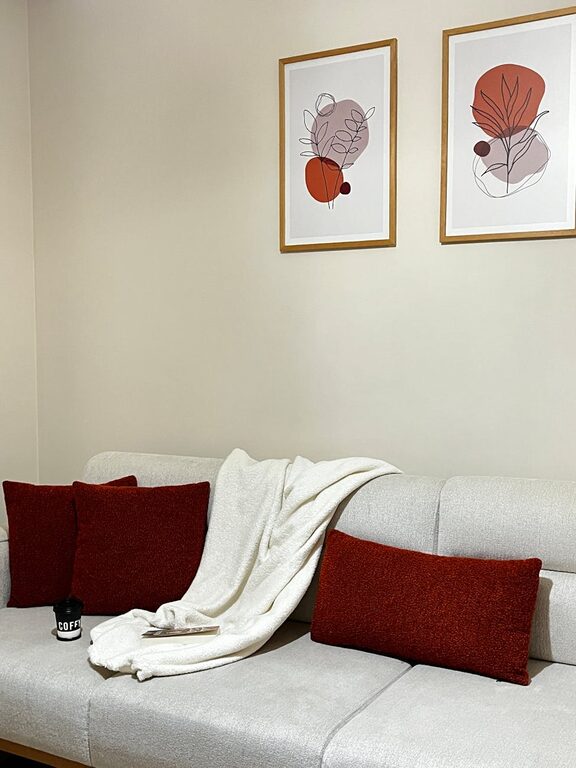
Creating a quiet and peaceful home environment is essential for relaxation, focus, and overall wellbeing. Whether you live in a busy urban area or have noisy neighbors, reducing unwanted sound inside your home can make a big difference in your daily comfort. Fortunately, you don’t need expensive equipment or major renovations to make your space quieter. In this post, we’ll explore simple and practical ways to reduce noise at home, using techniques you can easily implement.
Why Reducing Noise Matters
Noise pollution inside the home can lead to stress, difficulty concentrating, and even disturb your sleep. Quiet spaces promote relaxation, better communication, and improved productivity. By making your home quieter, you create a refuge from the hustle and bustle of the outside world.
Identify the Sources of Noise
Before you start soundproofing, it’s helpful to identify where most of the noise is coming from. Common sources include:
– Traffic and street noise
– Noisy neighbors or shared walls
– Household appliances and electronics
– Footsteps or loud voices inside the home
Knowing the main culprits helps you focus on effective solutions.
Simple Ways to Reduce Noise at Home
1. Use Soft Furnishings to Absorb Sound
Hard surfaces reflect sound, making rooms noisier. Adding soft materials can reduce echoes and dampen noise.
– Rugs and Carpets: Place rugs on bare floors to absorb sound, especially in high-traffic areas.
– Curtains and Drapes: Heavy curtains over windows help block outdoor noise.
– Cushions and Upholstered Furniture: Use sofas, chairs, and cushions made from soft fabrics to soften sound waves.
2. Seal Gaps and Cracks
Noise can seep through small openings in doors, windows, and walls.
– Weatherstripping: Apply weatherstripping strips around door and window frames to close gaps.
– Door Sweeps: Attach door sweeps to the bottom of doors to block drafts and sound.
– Caulk Cracks: Use acoustical caulk to seal cracks in walls and around window frames.
3. Rearrange Your Furniture
Furniture placement can influence how sound travels.
– Bookshelves: Fill bookshelves with books and place them against shared or exterior walls to act as sound barriers.
– Soft Furniture: Position sofas and armchairs against walls where noise is strongest to absorb sound.
– Avoid Empty Walls: Empty walls reflect sound more freely; adding art or wall hangings can help diffuse noise.
4. Use White Noise Machines or Fans
If you cannot completely eliminate sounds, masking them can improve comfort.
– White Noise Machines: These devices generate consistent background noise that masks disruptive sounds.
– Fans or Air Purifiers: The gentle hum from appliances can also create soothing white noise.
5. Upgrade Windows and Doors
Windows and doors are major points where noise enters.
– Double or Triple Glazing: Replacing single-pane windows with double or triple glazing significantly reduces noise.
– Storm Windows: Adding storm windows can also create an extra barrier.
– Solid Core Doors: Replace hollow doors with solid core options to block sound better.
6. Add Acoustic Panels or Foam
For a more dedicated approach, consider adding acoustic panels to your space.
– Wall-mounted Acoustic Panels: These absorb sound and reduce echo, especially useful in home offices or media rooms.
– Foam Tiles: Affordable foam tiles can be placed on walls or ceilings to improve acoustics.
7. Control Household Noise
Sometimes the noise comes from inside your own home.
– Use Appliance Pads: Place rubber or felt pads under washing machines, dishwashers, and other vibration-prone appliances.
– Close Doors: Keep doors closed to limit noise spread.
– Choose Quieter Appliances: When replacing devices, look for models designed to operate quietly.
8. Incorporate Plants for Sound Absorption
Indoor plants not only improve air quality but can also help absorb noise.
– Large Leafy Plants: Plants like rubber plants and ferns with broad leaves absorb sound waves.
– Plant Placement: Position plants near windows and walls where noise infiltrates.
Final Tips for a Quieter Home
– Consider Your Flooring: Hardwood floors reflect noise, while carpeted floors absorb it.
– Limit Hard Surfaces in Large Spaces: Break up large open rooms with furniture and décor to reduce noise travel.
– Regular Maintenance: Keep windows and doors in good condition to ensure seals remain tight.
Conclusion
Reducing noise at home doesn’t have to be complicated or costly. By using soft furnishings, sealing gaps, rearranging furniture, and considering simple upgrades like better windows or acoustic panels, you can create a more peaceful, calmer living space. Even small changes can make a noticeable difference in your daily comfort and wellbeing.
Take the time to assess your home’s noise sources and start applying these tips one step at a time. Your ears—and your peace of mind—will thank you!