
Tips for Choosing Comfortable Home Lighting That Enhances Every Room
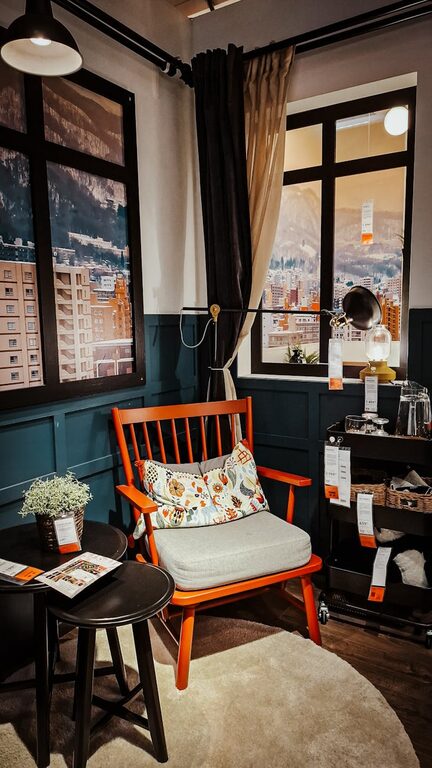
Creating the right lighting in your home is more than just picking pretty lamps or bright bulbs. Comfortable lighting affects how you feel, how productive you are, and even how your space looks. Whether you’re setting up a cozy living room or a focused home office, choosing the right lighting can make all the difference.
In this post, we’ll guide you through helpful tips to select lighting that’s both comfortable and functional for your home.
Why Comfortable Lighting Matters
Lighting impacts mood, productivity, and even your sleep cycle. Harsh, overly bright light can cause eye strain and headaches, while dim or poorly placed lighting can make spaces feel gloomy. Comfortable lighting balances brightness, color, and placement to create a welcoming environment.
Understand the Types of Home Lighting
Ambient Lighting
This is the general light you find in a room, illuminating the entire space. Ceiling fixtures, recessed lights, or large lamps often provide ambient lighting.
Task Lighting
Task lighting focuses on areas where you perform specific activities like reading, cooking, or working. Desk lamps, under-cabinet kitchen lights, and vanity lights are good examples.
Accent Lighting
Accent lighting highlights specific features like artwork, architectural details, or plants. Track lights, wall sconces, or spotlights often serve this purpose.
Tips for Choosing Comfortable Lighting
1. Consider the Room’s Purpose
Each room has different lighting needs. For example:
– Living Room: You want a warm, inviting glow for relaxing or entertaining.
– Kitchen: Bright task lighting is essential for cooking safely.
– Bedroom: Soft, adjustable lighting helps create a peaceful atmosphere.
– Home Office: Bright, clear light reduces eye strain during work.
Match your lighting choices to how you use the space.
2. Choose the Right Bulb Color Temperature
Bulb color temperature is measured in Kelvins (K) and affects the color of light emitted.
– Warm Light (2700K–3000K): Creates a cozy, inviting ambiance, great for bedrooms and living rooms.
– Neutral Light (3500K–4100K): A balance that works well for kitchens and bathrooms.
– Cool Light (5000K–6500K): Mimics daylight, ideal for workspaces to increase alertness.
Opt for warmer tones in spaces meant for relaxation and cooler tones in areas requiring focus.
3. Opt for Adjustable Lighting
Dimmers and smart lighting systems help you control brightness depending on the time of day or activity. Adjustable lighting allows you to create the perfect mood and save energy.
4. Layer Your Lighting
Combine ambient, task, and accent lighting to add depth and flexibility.
– Use a ceiling light for overall illumination.
– Add table or floor lamps for reading and close-up work.
– Install wall sconces or LED strips to highlight decor.
This layered approach prevents harsh shadows and distributes light evenly.
5. Think About Light Placement
Position lamps and fixtures to avoid glare or shadows, especially in work or reading areas.
– Avoid placing lights directly behind screens.
– Use blinds or curtains to soften natural light during bright days.
– Angle spotlights carefully to highlight features without overwhelming the space.
6. Choose Energy-Efficient Bulbs
LED bulbs use less energy and last longer than traditional incandescent bulbs. Many LED bulbs now come in a range of color temperatures, so you don’t have to sacrifice ambiance.
7. Mind the Fixture Style and Size
Lighting fixtures should complement your room’s decor and scale proportionally with the space. Large chandeliers might overwhelm a small dining room, while tiny lamps won’t provide enough light for a large living room.
8. Don’t Forget Natural Light
Use windows, skylights, and reflective surfaces to bring natural light indoors. Natural light enhances mood and reduces the need for artificial lighting during the day.
Bonus Tip: Test Lighting Before Buying
If possible, try out bulbs and fixtures at home. Many stores offer lighting displays, and some online retailers have return policies that let you experiment. Testing helps you avoid disappointing results.
Conclusion
Choosing comfortable home lighting is about balancing brightness, warmth, and style to suit your needs. By understanding different lighting types, considering room function, and layering your light sources, you can craft a home that’s both inviting and practical.
Remember, lighting isn’t just functional—it shapes how your home feels. Take your time exploring options and let your personality shine through your lighting choices. Happy illuminating!